

This year, I decided to take my content-creator lifestyle more seriously. As I’ve already mentioned here two or three times, one of the reasons why I decided to move away from the big city was that I wanted to explore and develop my ability to focus when it comes to creating more online.
One year later, my Substack is skyrocketing. I’ve had the pleasure of meeting wonderful creators here, and I’ve also gotten back into doing small video analyses on TikTok and IG. Unlike Substack, where I write in English, the videos are in my first language, Portuguese.
The videos are performing super well, and I feel like I’m winning the battle against my worst enemy: the algorithms… With that, a new audience is coming my way. But they’re also bringing with them a question that part of me is very scared to answer: what college did I go to to study research?
I decided to start answering this question here while I figure out how to deal with my fear of being judged for not going to college and allowing myself to keep expressing my personal analyses online… The devil works hard, but my fear of rejection works harder…
Early Access to Technology
I was very blessed to have access to a computer from a very early age. Especially being an only child, my computer was all mine. I think I got my first one when I was maybe 7 years old, and at first, I only played games that my mom’s friend installed for me — more than 1,000 SEGA games and Nintendo options… But I think I only went online when I was around 11. I would spend all my time downloading bad-quality Harry Potter wallpapers and playing whatever games were available on the Cartoon Network website.
As the years went by, I became active on the social media platforms of the time, like Orkut (2004–2014), and then I was introduced to MySpace, which changed my life drastically. First, because I was so impressed by the people who were active there. It all felt so far away from my reality and social circles… I remember clearly when Lindsay Lohan made a post cheering on Lily Allen’s “The Fear” music video. That’s how I discovered the song in the first place.
On MySpace, I was also introduced to Jeffree Star, which blew my mind once I started becoming obsessed with his electropop music… The whole excitement of going deeper and deeper into this very underground, niche online space was super exciting to me.
In the meantime, I was also very obsessed with the Jonas Brothers, so I was constantly searching for things about them online: interviews, their favorite foods, their horoscopes, favorite brands, previous albums…
Now, writing about it, I think these two examples were actually my first contact with desktop research.
For a long time during my early childhood, I had zero friends. I was an only child, and my mom always knew I was gay, so she never pushed me into “boy stuff”. She always let me do what I wanted, especially if it was free and didn’t require her presence. So the internet back in the 2000s was the ideal place for me to be. And because she was always very modern herself, I believe that, in her perception, me being online was also a way of keeping up with technology and its advancements.
The Rabbit Hole of the Internet
During my adolescence, from 16 to 18 years old, I went to live with my grandparents (A.K.A. the best years of my life) and part of what made that period so special was that I was already very familiar with being online. By then, I had developed a taste for things… let’s just say I was niche.
During the 2010s, the internet was also becoming very mainstream, reaching its full potential as a place to research everything that was new and exciting.
Let’s not forget that that’s how the Bling Ring gang used to organize their crimes: they had all the information available online about their favorite celebrities addresses and social-agendas.
I remember reading print magazines like Brazilian Vogue, but looking back, it was nothing compared to discovering things online. What I remember the most was the fashion-blogger era. Pre-influencer culture. Olivia Palermo (mother of the maxi accessories trend), Susie Lau, Rumi Neely…
There used to be websites dedicated to everything related to fashion editorials and campaigns, Lookbook.nu, Rookie Mag, We Heart It, Blogspot… and platforms like BLOGLOVIN!!!!
I was constantly consuming everything I loved… and that’s how I was introduced to fashion weeks.
The Internet Was My School
I used to say in job interviews that I learned more online than I did at school, and that’s because of fashion week. By that, I meant that I used to list every single possible show for me to look at! Actually, not just to look at, but to read the reviews on Style.com… I had so much free time and attention to use as I pleased.
Reading those reviews, I learned about color-blocking maximalism through Gucci’s 2011 collection and why it was being used at the time; about Edie Sedgwick as one of the muses behind Marc Jacobs’ Spring/Summer 2013 show; about sustainability through Stella McCartney; and about culture through Jeremy Scott’s era at Moschino. I was also learning about the economy, marketing business, and everything happening around fashion beyond the clothes themselves.
Collecting all that information made me go after more and more things to learn. I started having so much fun connecting the dots. Of course, that also expanded into music, film, and other creative categories of my life.
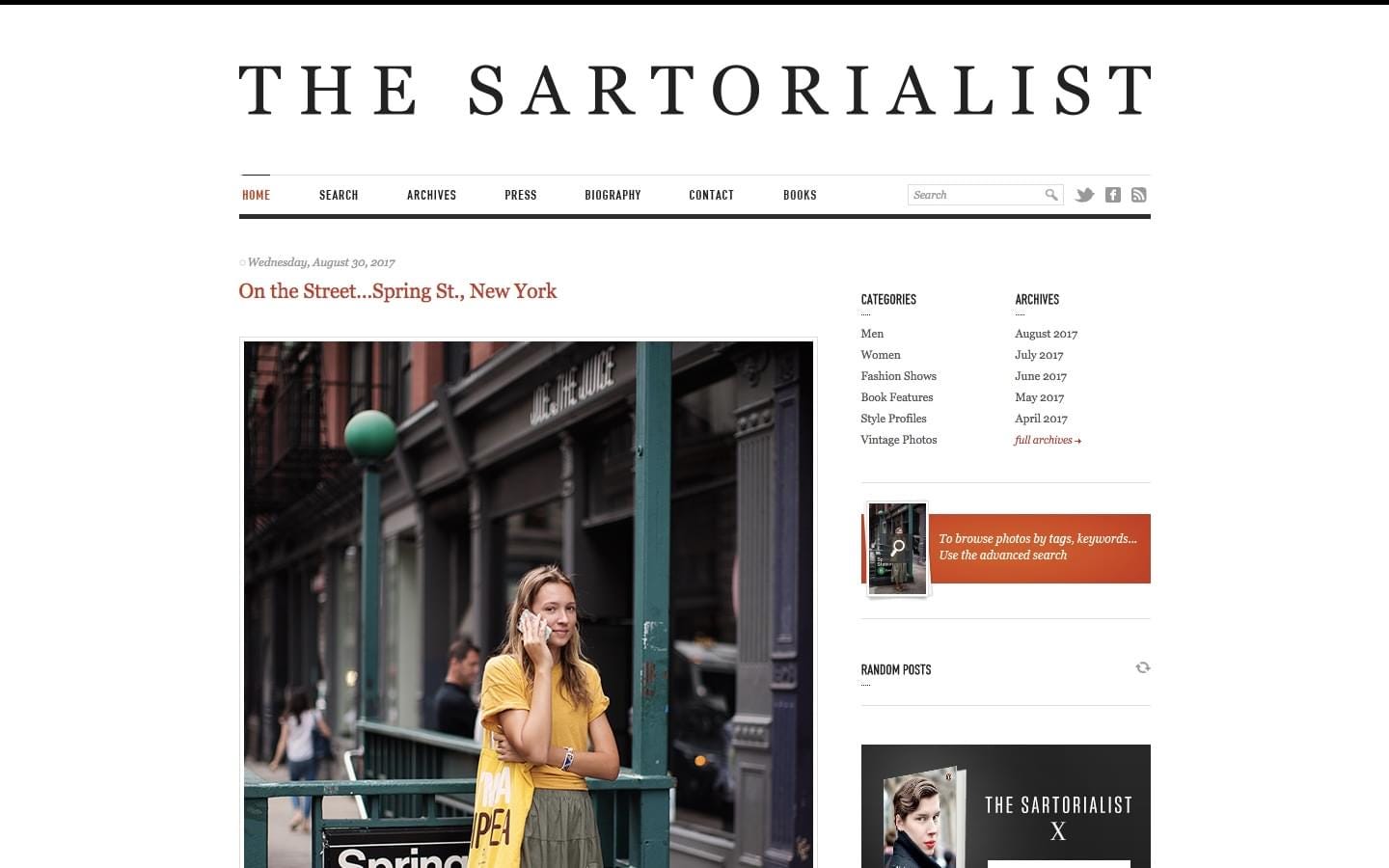
That’s also how I first learned about the term “cool hunter,” through content from sites like The Sartorialist and FaceHunter.
For me, that’s all I know
And that’s the thing that bugs me when it comes to questions like, “How did you end up working with trend research?” or “What can I do to work with trend analysis?”
We have such a wide space filled with information, references, and niches available for people to explore that I don’t personally feel the necessity of going to a well-known college in Europe to teach me how to search for things. You know? I’m not criticizing anyone who does that, I just don’t see it as a necessity.
Because curiosity, and training your brain to interpret things, comes from consuming information. And the internet has plenty of it available, far beyond Instagram, TikTok, and Twitter.
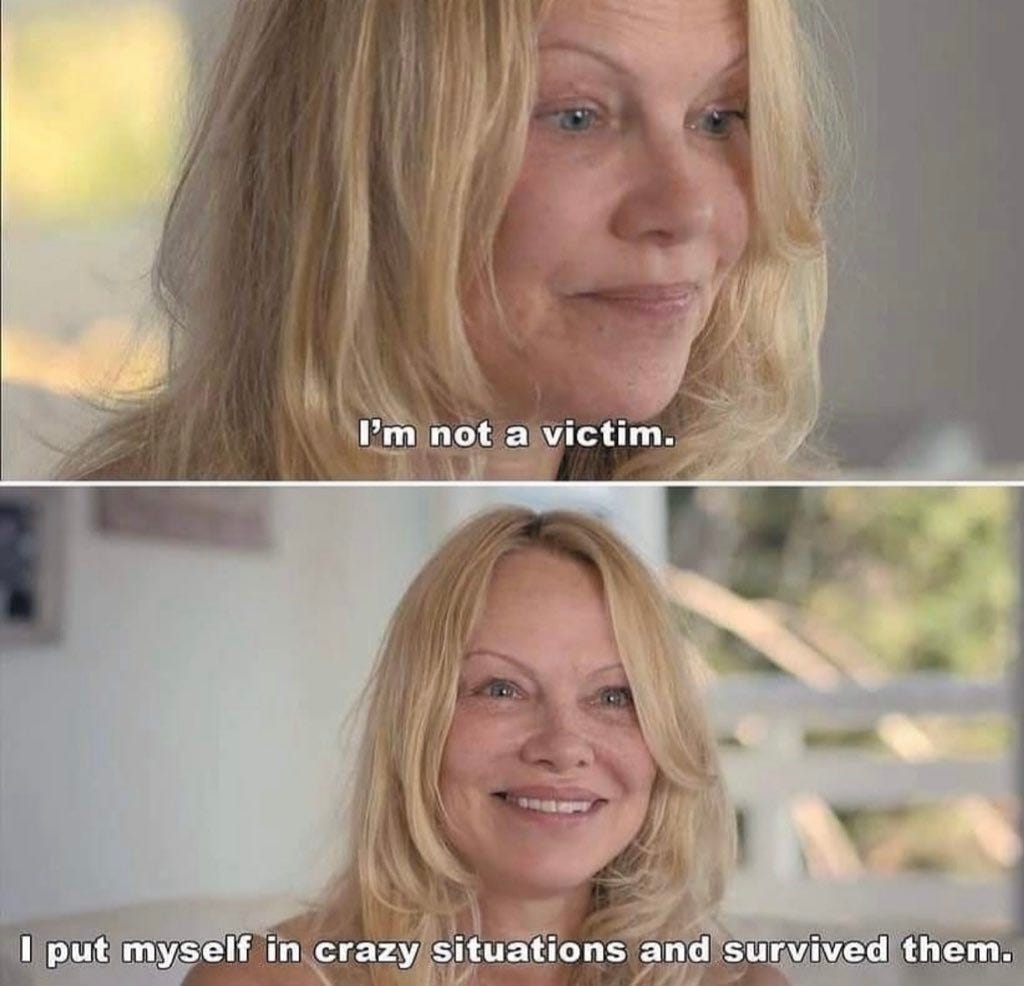
One time, a girl scheduled a Google Meet with me to talk about career advice. She mentioned that she had graduated in Brazil, done her postgraduate degree in Italy (chic), and taken some XYZ course in the UK, and now she wanted my advice on how she could start working in trend analysis… I felt so ashamed of myself because all I had was access to the internet. My answer? A humble, “Just Google it. The information is free. Build your own vision.” I could see the disappointment on her face. I still don’t know what kind of answer she was looking for, but it made me feel like a fraud, an impostor…
Anyway… Recently, I read this article from Dazed called “Has the algorithm killed music discovery?” and this sticked with me:
Rather than encouraging new discoveries, the hyper-convenient automation that major streaming platforms provide has created a discovery desert… Algorithmic manipulation has trapped us in echo chambers that endlessly serve up more of what we already know. This illusion of choice keeps users on these platforms… But there are ways to use technology more intentionally, making the discovery process more fruitful and rewarding. Farm your own algorithms.
Farm Your Own Algorithms
I’m constantly educating my algorithm. I have two profiles on IG: one for personal use and another for brands and media. I’m constantly checking the section that shows the profiles I’ve interacted with the most and the least to see what still fits. I mute some people’s stories so I can see others, and after a while, I unmute them. On Spotify, I block music I don’t like so I don’t get similar recommendations, even if it’s from one of my favorite artists. I block accounts on Twitter.
Anyway… all of this is to remind you that you can educate your algorithm. Send feedback. Ask it to never show you that again. Be intentional about what you follow, what you ignore, what you search for, and what you actively go looking for outside of what is being served to you.
The algorithm is a machine that does not work alone, but it can if you let it.
Collaborate to Create a Better Cyberspace
Lastly, one of the main things that being online taught me was the power of creative collaboration. Around 50% of the blogs and websites I consumed religiously ended up becoming spaces where I found some way to collaborate, usually through writing, allowing me to share my own ideas and discoveries.
I firmly believe in the power of community. I wrote about it back in June.

Collaborating on the internet always felt easier than finding a job IRL because the online communities I encountered were much more open to embracing new voices, amplifying their reach, and creating spaces for creative freedom.
During the pandemic, I launched my own IG magazine called Sticky Icky, and it became a super fun way for me to meet new people and discover rising artists across fashion, photography, and music.
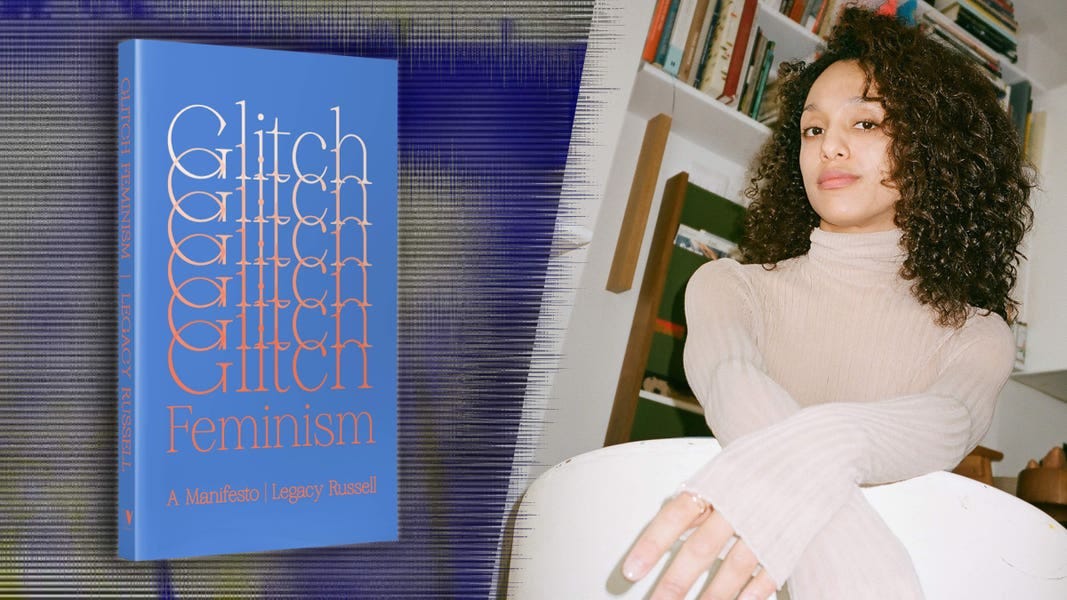
I’m highlighting this because I recently read Glitch Feminism, where writer Legacy Russell discuss how queer and non-white voices have been able to build and explore their identities in cyberspace. I couldn’t agree more, because finding that kind of freedom, community, and space for self-expression has been one of the many wonderful experiences I’ve had online.
The Internet Is Dying
There’s this whole discourse around the Dead Internet Theory right now, with the idea that the space for sharing, discovery, and genuine connection that I’ve talked about throughout this edition is slowly being erased and replaced by AI, corporate-driven algorithms, and bots, turning the digital world into an increasingly homogeneous cyberspace with less authenticity and fewer opportunities for real connection.
They’re kinda right, but I’ll forever be an optimist.
Yes, Gen Z and future generations will never know how to research the way Millennials did. Yes, we are more connected than ever. Yes, people are losing their sense of taste and interpretation. Yes, unlike the Metaverse, AI is here to stay because mass audiences are able to experience its results in real time simply by talking to ChatGPT.
So, what can we do about it?
Farm your internet experience. Share links with your friends, create a tab in your browser with all your favorite sites and check it daily as a ritual, educate your social media algorithms, participate in digital communities, leave comments on people’s content… That’s what keeps my work growing.
Ugh. Feeling lighter now that I’ve gotten this off my chest… It was a good start to the conversation about my work. Please let me know what you think.
Hello 🇧🇷 loved reading this, because felt so seen! I also work with trends research but with the same kind of education you had! I’ve always been a self taught person drived mostly by curiosity.. sometimes feel like an imposter honestly, but other times feel like my curious and proactive profile is what makes me great at researching! Glad to see others like me out there! 💖 congrats for the great writing
Loved this, especially the part about farming your own algorithm.